The Future of STEM Education: Trends to Watch
Explore the emerging trends that are shaping how students learn science, technology, engineering, and mathematics...
STEM education is evolving rapidly. In this article, we explore the key trends shaping the future of how students learn science, technology, engineering, and mathematics, and how these changes are preparing the next generation for a world driven by innovation and technology.
The Shift Toward Hands-On, Experiential Learning
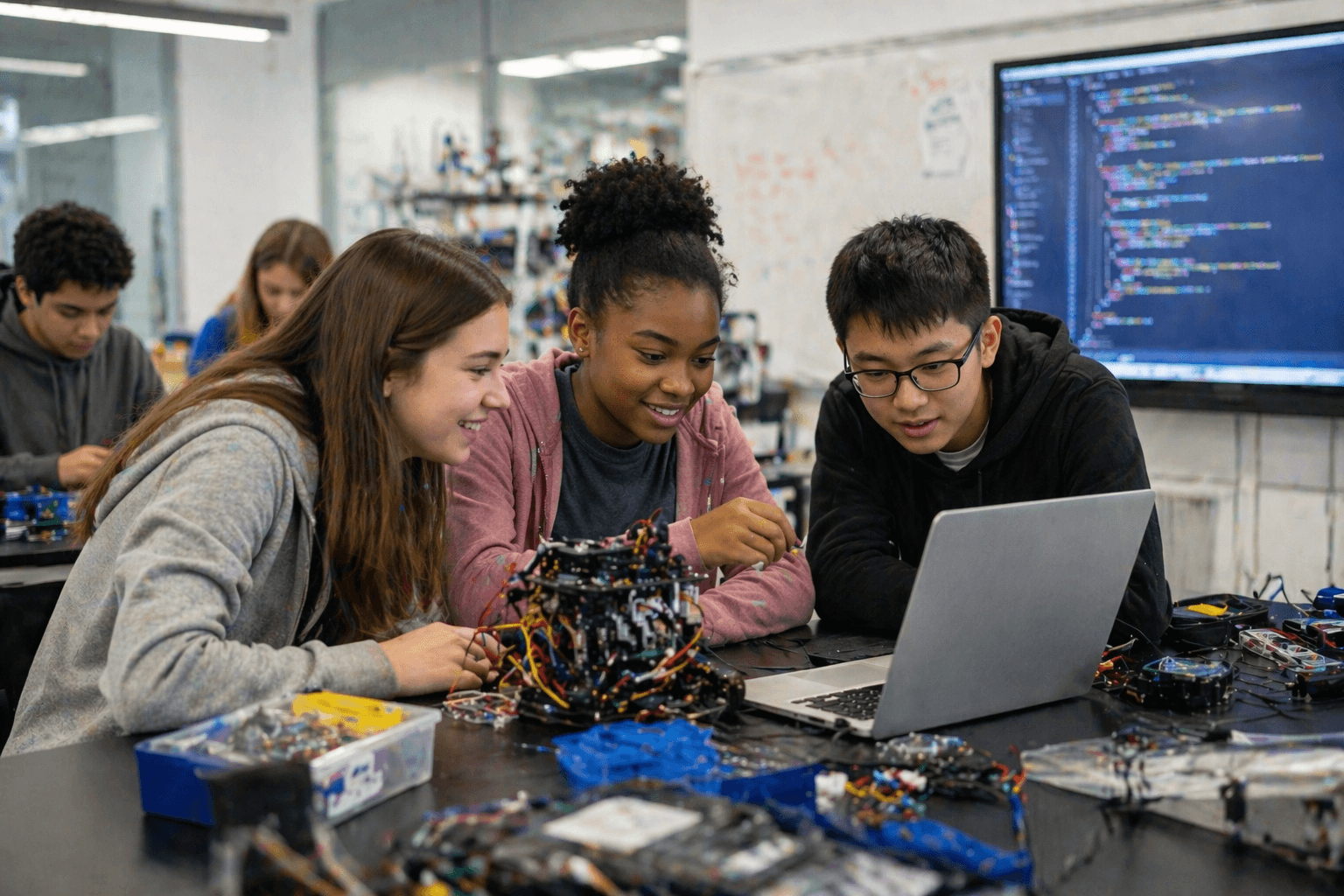
One of the most significant changes in STEM education is the move away from passive learning toward active, hands-on experiences. Students are no longer just reading about concepts—they are building, testing, experimenting, and discovering.
Project-based learning allows students to apply theories in real-world scenarios. Whether designing a bridge, coding a game, or running a science experiment, students retain knowledge more effectively when they are actively engaged. This approach also fosters creativity, problem-solving, and collaboration—skills essential for future careers.
Integration of Artificial Intelligence and Data Literacy
Artificial intelligence is no longer a distant concept—it is becoming a core component of education. Students are beginning to learn not only how to use AI tools but also how they work.
Data literacy is also emerging as a critical skill. Understanding how to collect, analyze, and interpret data is becoming just as important as traditional math skills. Students who can think critically about data and algorithms will be better equipped to navigate an increasingly digital world.
Personalized and Adaptive Learning
Technology is enabling education to become more personalized than ever before. Adaptive learning platforms can adjust content based on a student’s performance, ensuring that each learner progresses at their own pace.
This means students who need more time on a concept can receive additional support, while those who advance quickly can move on to more challenging material. Personalized learning helps reduce gaps in understanding and keeps students more engaged.
The Rise of Gamification in Learning
Gamification is transforming how students interact with STEM subjects. By incorporating elements like rewards, challenges, and competition, educators are making learning more engaging and enjoyable.
Educational platforms that use game-based mechanics encourage students to stay motivated and return to learning consistently. When students are excited to participate, their retention and understanding improve significantly.
Emphasis on Real-World Skills and Career Readiness
STEM education is increasingly focused on preparing students for real-world careers. This includes not only technical knowledge but also soft skills such as communication, teamwork, and critical thinking.
Programs are now incorporating career pathways, internships, and simulations that mirror real job environments. Students can explore fields like software development, engineering, data science, and healthcare before they even graduate.
Collaboration and Global Connectivity
Technology has made it possible for students to collaborate beyond the walls of their classroom. Virtual classrooms, online communities, and global projects allow students to work with peers from different cultures and backgrounds.
This exposure helps students develop a broader perspective and prepares them for the global workforce. Collaboration tools also mirror what students will use in professional environments, giving them a head start.
The Growing Importance of Interdisciplinary Learning
STEM is no longer confined to separate subjects. The future of education lies in integrating disciplines to solve complex problems.
For example, a single project might involve:
Science (understanding environmental impact)
Technology (building a digital model)
Engineering (designing a solution)
Mathematics (analyzing data and outcomes)
This interdisciplinary approach reflects how real-world challenges are solved and helps students think more holistically.
Increased Access Through Digital Platforms
Online learning platforms and digital resources are making STEM education more accessible than ever. Students from different backgrounds and locations can now access high-quality materials, courses, and tools.
This increased access helps bridge educational gaps and provides opportunities for students who may not have had them otherwise. It also allows for continuous learning beyond the traditional classroom.
The Role of Mentorship and Industry Connections
As STEM education evolves, mentorship is becoming a key component. Connecting students with industry professionals provides insight into real-world applications and career paths.
Mentors help students:
Understand industry expectations
Gain practical advice and feedback
Build networks that support future opportunities
These connections can accelerate learning and make education more relevant and impactful.
Looking Ahead: Preparing for an Uncertain Future
The future of STEM education is not just about keeping up with change—it’s about preparing students to lead it. As technology continues to evolve, the skills students need today may look very different tomorrow.
By focusing on adaptability, critical thinking, and lifelong learning, educators can equip students to thrive in an uncertain and rapidly changing world.
A New Era of Learning
STEM education is entering a new era—one defined by innovation, engagement, and real-world relevance. The trends shaping this future are not just improving how students learn; they are redefining what it means to be educated in the modern world.
As these trends continue to develop, one thing is clear: the future of STEM education is dynamic, inclusive, and full of opportunity for those ready to embrace it.